



Hello, Friends – Do you remember graduating from high school, getting a driver's license, or passing a professional exam? This message from newly-ordained Nancy Peterson shares how it leads to wanting to take action and get busy. She recommends action only after patient discernment. When personal will aligns with divine wisdom, it creates peace, purpose, and authentic service; when it overrides wisdom, it produces tension and disharmony.
I’ve been sending emails on Sunday for over 15 years. I'm now adding other emails that go out on Wednesday, Thursday, Friday, and Saturday. They offer early radio addresses from Eric Butterworth, info and insight from teachers of Metaphysical Bible and Fillmore Metaphysics, and inspirational pieces by facilitators of Fillmore-friendly Events and Classes. To choose which ones you want or do not want, scroll down to the bottom of this email and click on “Change your subscriptions to our newsletters.” That will open a box where you can see what's available and make your choice. – Mark Hicks, July 19, 2026
View List of Fillmore Faith Newsletters
Balancing Wisdom and Will In Discernment
A Guest Post from Rev. Nancy Peterson
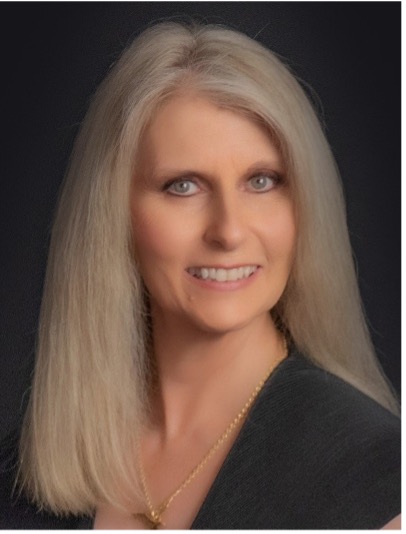
In this season of discernment, celebrating an ending (ordination) and choosing a new beginning - a new path to service, I’ve noticed in myself that I want to choose action and get busy – get busy doing. But that requires making choices. And choosing what is best for myself requires acting in concert with my wisdom, patiently. I fully trust in the guidance of Spirit.
Will is the executive faculty of the mind and determines the activity of the person. We choose to do and be and use our will to make it so. If we have a dominating will, we are never at a loss for getting started at anything. We make a choice and we are off and running with it, creating a pathway in life, executing a plan, or obtaining something that we desire. The decisions we make using our wisdom and understanding can have minor consequences or may drive substantial direction and purpose in our lives. Our will propels us forward into action. “When the will of man adheres to wisdom faithfully, and carries out in its work the plans that are idealized in wisdom, it creates in man a consciousness of harmony and peace,” according to Charles Fillmore in Keep a True Lent (p.157).
So, for optimal happiness and satisfaction, it seems prudent to keep personal will somewhat subordinate to wisdom. Otherwise, we could waste our spiritual character according to Series 2, Lesson 5 of the Unity Correspondence School Lessons (dated 2-2-1973 “Denials and Affirmations”):
A dominating personal will (i.e., use of the will faculty in a limited way) is a form of negative affirmation, producing in mind and body a tense, rigid condition. Where the “no” phase of mind is too much in evidence, the consciousness becomes negative and relaxes to such an extent that weakness and ills of a “letting go” and wasting character result. (republished as Fillmore Wings, Lesson 11, paragraph 26)
It’s rare that we have only one choice in any given decision. What if we have five choices available that, with all outer appearance, result in equally beneficial outcomes? But what if each of those five choices presents different circumstances, requires different skills, and challenges us in vastly different ways with some being uncomfortable? Then would it not be fair to say that not all choices are equal or good? Even though we may seek a potentially good outcome, if there is discomfort in the choice and we must will ourselves forward, constantly running up against and trying to overcome discomfort, we are sacrificing harmony and peace. We have allowed our wisdom and understanding to become flawed, squandering our divine faculties. In this way, we could experience that tense, rigid condition in both mind and body. We feel the results of misalignment in our bodies and minds.
Take the case of an eighteen-year-old applying to college programs. She has a passion for saving lives and doing good. Her father encourages her to go pre-med and become an emergency room physician. Her mother encourages her to consider pre-law to become a public defender for that segment of the population underrepresented and overincarcerated. Academically she is fit for either, but her inner desires are to engineer and build sources of clean water in Africa. She perceives too many children dying and has a dream of making a difference. With pressure, she continues to affirm her choice of pre-med, knowing she will “do good” and save lives. But she suffers from an inner longing for a different direction which, over time, results in her feeling that she is sacrificing her character and experiencing separation from Spirit.
In this way, by compromising a choice in favor of that which obscures wisdom and understanding, and therefore spiritual character, one is, instead, affirming limitation, disharmony, unhappiness, lack of motivation and inspiration, forgone opportunity, and one’s perfected individuality. Thus, affirmations become negative.
We always build spiritual character from within outward. This is our practice. When we are patient and do not allow our personal will to overpower our discerning consciousness, we make better choices to fulfill our deepest desires and good. Per the Revealing Word, we “apprehend the Truth of Being; to look through appearances and to behold the reality of omnipresence” (RW/discern). So, although we may wrestle at times with negative affirmations, we recognize that God’s will is omnipotent. The conditions of negativity are temporary and eventually yield to the Omnipotent. “God works in me to will and to do whatsoever He wishes me to do, and He cannot fail,” H. Emilie Cady reminds us in Lessons in Truth (Lesson 4, Affirmations, paragraph 23)
“…for it is God who is at work in you, both to desire and to work for His good pleasure.” [Philippians 2:13]
